88 Atom Nucleus Diagram
88 Atom Nucleus Diagram. Most of an atom is just empty space and consists of a positively charged nucleus of protons and neutrons surrounded by a cloud of negatively charged electrons. The center of an atom is the nucleus and one or more electrons surrounding the nucleus. They are thus the densest part of an atom.

Nejchladnější Diagram Oxygen Atom Nucleus Inner Outer Stock Vector Royalty Free 1516905926
The electron shells are shown, moving outward from the nucleus. A nucleus accounts for more than 99.9% of an atom's mass but is 100,000 times smaller than it in size. The nuclei of some atoms are spherical, while others are stretched or flattened into deformed shapes. The element atomic number and name are listed in the upper left.The binding energy of a nucleus is the energy holding a nucleus together.
The binding energy of a nucleus is the energy holding a nucleus together. The binding energy of a nucleus is the energy holding a nucleus together. The electron shells are shown, moving outward from the nucleus. The nuclei of some atoms are spherical, while others are stretched or flattened into deformed shapes. In reality, atoms are theorized to be mostly empty, since the electrons are extremely far away relative to the nucleus. The final ring or shell of electrons contains the typical number of valence electrons for an atom of that element. The word 'nucleus' means 'kernel of a nut'.

A nucleus accounts for more than 99.9% of an atom's mass but is 100,000 times smaller than it in size... The element atomic number and name are listed in the upper left. Nucleus occupies an extremely small volume inside the atom. The binding energy of a nucleus is the energy holding a nucleus together. The word 'nucleus' means 'kernel of a nut'. The electron shells are shown, moving outward from the nucleus. Nucleus occupies an extremely small volume inside the atom.

The final ring or shell of electrons contains the typical number of valence electrons for an atom of that element. Nucleus occupies an extremely small volume inside the atom. In this article, we familiarize you with the basic structure of an atom. The nuclei of some atoms are spherical, while others are stretched or flattened into deformed shapes. The binding energy of a nucleus is the energy holding a nucleus together. Most of an atom is just empty space and consists of a positively charged nucleus of protons and neutrons surrounded by a cloud of negatively charged electrons.. Most of an atom is just empty space and consists of a positively charged nucleus of protons and neutrons surrounded by a cloud of negatively charged electrons.
/bohr-model-of-the-atom-603815_Final-5f95ec36a8874023b75caef27e337886.PNG)
Nucleus occupies an extremely small volume inside the atom.. . The word 'nucleus' means 'kernel of a nut'.

The element atomic number and name are listed in the upper left. They are thus the densest part of an atom. In this article, we familiarize you with the basic structure of an atom. Basic diagram of an atom. A nucleus accounts for more than 99.9% of an atom's mass but is 100,000 times smaller than it in size. The word 'nucleus' means 'kernel of a nut'. Basic diagram of an atom.

Most of an atom is just empty space and consists of a positively charged nucleus of protons and neutrons surrounded by a cloud of negatively charged electrons. The word 'nucleus' means 'kernel of a nut'. In reality, atoms are theorized to be mostly empty, since the electrons are extremely far away relative to the nucleus. The electron shells are shown, moving outward from the nucleus. Most of an atom is just empty space and consists of a positively charged nucleus of protons and neutrons surrounded by a cloud of negatively charged electrons. Basic diagram of an atom. Nucleus occupies an extremely small volume inside the atom. The binding energy of a nucleus is the energy holding a nucleus together. The nuclei of some atoms are spherical, while others are stretched or flattened into deformed shapes. They are thus the densest part of an atom. A nucleus accounts for more than 99.9% of an atom's mass but is 100,000 times smaller than it in size. The center of an atom is the nucleus and one or more electrons surrounding the nucleus.

In reality, atoms are theorized to be mostly empty, since the electrons are extremely far away relative to the nucleus.. The center of an atom is the nucleus and one or more electrons surrounding the nucleus. The final ring or shell of electrons contains the typical number of valence electrons for an atom of that element. Nucleus occupies an extremely small volume inside the atom. Most of an atom is just empty space and consists of a positively charged nucleus of protons and neutrons surrounded by a cloud of negatively charged electrons. A nucleus accounts for more than 99.9% of an atom's mass but is 100,000 times smaller than it in size. The word 'nucleus' means 'kernel of a nut'. They are thus the densest part of an atom. The element atomic number and name are listed in the upper left. In reality, atoms are theorized to be mostly empty, since the electrons are extremely far away relative to the nucleus.. The binding energy of a nucleus is the energy holding a nucleus together.

The final ring or shell of electrons contains the typical number of valence electrons for an atom of that element... The nuclei of some atoms are spherical, while others are stretched or flattened into deformed shapes. Most of an atom is just empty space and consists of a positively charged nucleus of protons and neutrons surrounded by a cloud of negatively charged electrons. Nucleus occupies an extremely small volume inside the atom. They are thus the densest part of an atom. The electron shells are shown, moving outward from the nucleus. In this article, we familiarize you with the basic structure of an atom. Basic diagram of an atom. The final ring or shell of electrons contains the typical number of valence electrons for an atom of that element. Most of an atom is just empty space and consists of a positively charged nucleus of protons and neutrons surrounded by a cloud of negatively charged electrons.

Basic diagram of an atom. The center of an atom is the nucleus and one or more electrons surrounding the nucleus. In this article, we familiarize you with the basic structure of an atom. In reality, atoms are theorized to be mostly empty, since the electrons are extremely far away relative to the nucleus. Basic diagram of an atom.

The element atomic number and name are listed in the upper left.. In reality, atoms are theorized to be mostly empty, since the electrons are extremely far away relative to the nucleus. The final ring or shell of electrons contains the typical number of valence electrons for an atom of that element. Basic diagram of an atom.. The electron shells are shown, moving outward from the nucleus.

The final ring or shell of electrons contains the typical number of valence electrons for an atom of that element.. They are thus the densest part of an atom.. In this article, we familiarize you with the basic structure of an atom.

In reality, atoms are theorized to be mostly empty, since the electrons are extremely far away relative to the nucleus. The final ring or shell of electrons contains the typical number of valence electrons for an atom of that element. The binding energy of a nucleus is the energy holding a nucleus together. The center of an atom is the nucleus and one or more electrons surrounding the nucleus. The word 'nucleus' means 'kernel of a nut'... The word 'nucleus' means 'kernel of a nut'.

Nucleus occupies an extremely small volume inside the atom. The word 'nucleus' means 'kernel of a nut'. In reality, atoms are theorized to be mostly empty, since the electrons are extremely far away relative to the nucleus. The final ring or shell of electrons contains the typical number of valence electrons for an atom of that element. The binding energy of a nucleus is the energy holding a nucleus together.

Most of an atom is just empty space and consists of a positively charged nucleus of protons and neutrons surrounded by a cloud of negatively charged electrons. The word 'nucleus' means 'kernel of a nut'. The element atomic number and name are listed in the upper left. In reality, atoms are theorized to be mostly empty, since the electrons are extremely far away relative to the nucleus. The final ring or shell of electrons contains the typical number of valence electrons for an atom of that element. The electron shells are shown, moving outward from the nucleus. They are thus the densest part of an atom. A nucleus accounts for more than 99.9% of an atom's mass but is 100,000 times smaller than it in size. The binding energy of a nucleus is the energy holding a nucleus together. The element atomic number and name are listed in the upper left.

They are thus the densest part of an atom. The center of an atom is the nucleus and one or more electrons surrounding the nucleus. The final ring or shell of electrons contains the typical number of valence electrons for an atom of that element. Basic diagram of an atom. The binding energy of a nucleus is the energy holding a nucleus together. In reality, atoms are theorized to be mostly empty, since the electrons are extremely far away relative to the nucleus. Nucleus occupies an extremely small volume inside the atom. The word 'nucleus' means 'kernel of a nut'. They are thus the densest part of an atom.. Nucleus occupies an extremely small volume inside the atom.

The element atomic number and name are listed in the upper left. The center of an atom is the nucleus and one or more electrons surrounding the nucleus. The nuclei of some atoms are spherical, while others are stretched or flattened into deformed shapes. Nucleus occupies an extremely small volume inside the atom. Basic diagram of an atom. The element atomic number and name are listed in the upper left. They are thus the densest part of an atom. In this article, we familiarize you with the basic structure of an atom.. The center of an atom is the nucleus and one or more electrons surrounding the nucleus.

A nucleus accounts for more than 99.9% of an atom's mass but is 100,000 times smaller than it in size.. Most of an atom is just empty space and consists of a positively charged nucleus of protons and neutrons surrounded by a cloud of negatively charged electrons. The final ring or shell of electrons contains the typical number of valence electrons for an atom of that element. In reality, atoms are theorized to be mostly empty, since the electrons are extremely far away relative to the nucleus. The binding energy of a nucleus is the energy holding a nucleus together. The element atomic number and name are listed in the upper left. In this article, we familiarize you with the basic structure of an atom. Nucleus occupies an extremely small volume inside the atom. The center of an atom is the nucleus and one or more electrons surrounding the nucleus. Basic diagram of an atom. In reality, atoms are theorized to be mostly empty, since the electrons are extremely far away relative to the nucleus.

Nucleus occupies an extremely small volume inside the atom.. The nuclei of some atoms are spherical, while others are stretched or flattened into deformed shapes.. The electron shells are shown, moving outward from the nucleus.

In reality, atoms are theorized to be mostly empty, since the electrons are extremely far away relative to the nucleus. Basic diagram of an atom. Most of an atom is just empty space and consists of a positively charged nucleus of protons and neutrons surrounded by a cloud of negatively charged electrons. Nucleus occupies an extremely small volume inside the atom. The nuclei of some atoms are spherical, while others are stretched or flattened into deformed shapes. The final ring or shell of electrons contains the typical number of valence electrons for an atom of that element. The electron shells are shown, moving outward from the nucleus. In this article, we familiarize you with the basic structure of an atom. In reality, atoms are theorized to be mostly empty, since the electrons are extremely far away relative to the nucleus. The word 'nucleus' means 'kernel of a nut'. The binding energy of a nucleus is the energy holding a nucleus together.. The center of an atom is the nucleus and one or more electrons surrounding the nucleus.

The binding energy of a nucleus is the energy holding a nucleus together.. They are thus the densest part of an atom. In reality, atoms are theorized to be mostly empty, since the electrons are extremely far away relative to the nucleus. Most of an atom is just empty space and consists of a positively charged nucleus of protons and neutrons surrounded by a cloud of negatively charged electrons. In this article, we familiarize you with the basic structure of an atom. The center of an atom is the nucleus and one or more electrons surrounding the nucleus. The nuclei of some atoms are spherical, while others are stretched or flattened into deformed shapes. The binding energy of a nucleus is the energy holding a nucleus together. Basic diagram of an atom. Nucleus occupies an extremely small volume inside the atom.. The nuclei of some atoms are spherical, while others are stretched or flattened into deformed shapes.

A nucleus accounts for more than 99.9% of an atom's mass but is 100,000 times smaller than it in size. The electron shells are shown, moving outward from the nucleus. The final ring or shell of electrons contains the typical number of valence electrons for an atom of that element. The center of an atom is the nucleus and one or more electrons surrounding the nucleus. In reality, atoms are theorized to be mostly empty, since the electrons are extremely far away relative to the nucleus. The word 'nucleus' means 'kernel of a nut'. Basic diagram of an atom. The element atomic number and name are listed in the upper left. Nucleus occupies an extremely small volume inside the atom. A nucleus accounts for more than 99.9% of an atom's mass but is 100,000 times smaller than it in size. Most of an atom is just empty space and consists of a positively charged nucleus of protons and neutrons surrounded by a cloud of negatively charged electrons. The center of an atom is the nucleus and one or more electrons surrounding the nucleus.

The nuclei of some atoms are spherical, while others are stretched or flattened into deformed shapes. A nucleus accounts for more than 99.9% of an atom's mass but is 100,000 times smaller than it in size. They are thus the densest part of an atom.

In this article, we familiarize you with the basic structure of an atom... The word 'nucleus' means 'kernel of a nut'. In this article, we familiarize you with the basic structure of an atom. Nucleus occupies an extremely small volume inside the atom.

The electron shells are shown, moving outward from the nucleus. The nuclei of some atoms are spherical, while others are stretched or flattened into deformed shapes. The binding energy of a nucleus is the energy holding a nucleus together. In this article, we familiarize you with the basic structure of an atom. The electron shells are shown, moving outward from the nucleus. The center of an atom is the nucleus and one or more electrons surrounding the nucleus. In reality, atoms are theorized to be mostly empty, since the electrons are extremely far away relative to the nucleus. Basic diagram of an atom. They are thus the densest part of an atom. The final ring or shell of electrons contains the typical number of valence electrons for an atom of that element.

Basic diagram of an atom.. The center of an atom is the nucleus and one or more electrons surrounding the nucleus. Basic diagram of an atom. In reality, atoms are theorized to be mostly empty, since the electrons are extremely far away relative to the nucleus... They are thus the densest part of an atom.

In reality, atoms are theorized to be mostly empty, since the electrons are extremely far away relative to the nucleus. The final ring or shell of electrons contains the typical number of valence electrons for an atom of that element. The binding energy of a nucleus is the energy holding a nucleus together. Nucleus occupies an extremely small volume inside the atom. The element atomic number and name are listed in the upper left.

Most of an atom is just empty space and consists of a positively charged nucleus of protons and neutrons surrounded by a cloud of negatively charged electrons. A nucleus accounts for more than 99.9% of an atom's mass but is 100,000 times smaller than it in size. The final ring or shell of electrons contains the typical number of valence electrons for an atom of that element. Nucleus occupies an extremely small volume inside the atom. The electron shells are shown, moving outward from the nucleus. In this article, we familiarize you with the basic structure of an atom.. The final ring or shell of electrons contains the typical number of valence electrons for an atom of that element.

The electron shells are shown, moving outward from the nucleus. The binding energy of a nucleus is the energy holding a nucleus together.

Nucleus occupies an extremely small volume inside the atom. The word 'nucleus' means 'kernel of a nut'. Most of an atom is just empty space and consists of a positively charged nucleus of protons and neutrons surrounded by a cloud of negatively charged electrons. The final ring or shell of electrons contains the typical number of valence electrons for an atom of that element.

In this article, we familiarize you with the basic structure of an atom. Most of an atom is just empty space and consists of a positively charged nucleus of protons and neutrons surrounded by a cloud of negatively charged electrons. The electron shells are shown, moving outward from the nucleus. Basic diagram of an atom. The word 'nucleus' means 'kernel of a nut'. In reality, atoms are theorized to be mostly empty, since the electrons are extremely far away relative to the nucleus. Nucleus occupies an extremely small volume inside the atom. The nuclei of some atoms are spherical, while others are stretched or flattened into deformed shapes. The element atomic number and name are listed in the upper left... The nuclei of some atoms are spherical, while others are stretched or flattened into deformed shapes.
:max_bytes(150000):strip_icc()/GettyImages-141483984-56a133b65f9b58b7d0bcfdb1.jpg)
A nucleus accounts for more than 99.9% of an atom's mass but is 100,000 times smaller than it in size. They are thus the densest part of an atom. The nuclei of some atoms are spherical, while others are stretched or flattened into deformed shapes. A nucleus accounts for more than 99.9% of an atom's mass but is 100,000 times smaller than it in size.

Most of an atom is just empty space and consists of a positively charged nucleus of protons and neutrons surrounded by a cloud of negatively charged electrons... The nuclei of some atoms are spherical, while others are stretched or flattened into deformed shapes. Nucleus occupies an extremely small volume inside the atom. The center of an atom is the nucleus and one or more electrons surrounding the nucleus. The element atomic number and name are listed in the upper left. In reality, atoms are theorized to be mostly empty, since the electrons are extremely far away relative to the nucleus. The final ring or shell of electrons contains the typical number of valence electrons for an atom of that element. Basic diagram of an atom. In this article, we familiarize you with the basic structure of an atom. A nucleus accounts for more than 99.9% of an atom's mass but is 100,000 times smaller than it in size. Most of an atom is just empty space and consists of a positively charged nucleus of protons and neutrons surrounded by a cloud of negatively charged electrons. The element atomic number and name are listed in the upper left.
The electron shells are shown, moving outward from the nucleus. In this article, we familiarize you with the basic structure of an atom. The electron shells are shown, moving outward from the nucleus. In reality, atoms are theorized to be mostly empty, since the electrons are extremely far away relative to the nucleus. They are thus the densest part of an atom. In reality, atoms are theorized to be mostly empty, since the electrons are extremely far away relative to the nucleus.

The final ring or shell of electrons contains the typical number of valence electrons for an atom of that element. Basic diagram of an atom.. In reality, atoms are theorized to be mostly empty, since the electrons are extremely far away relative to the nucleus.
In reality, atoms are theorized to be mostly empty, since the electrons are extremely far away relative to the nucleus. A nucleus accounts for more than 99.9% of an atom's mass but is 100,000 times smaller than it in size. The element atomic number and name are listed in the upper left. The final ring or shell of electrons contains the typical number of valence electrons for an atom of that element. Nucleus occupies an extremely small volume inside the atom. The binding energy of a nucleus is the energy holding a nucleus together. They are thus the densest part of an atom. The nuclei of some atoms are spherical, while others are stretched or flattened into deformed shapes.. In reality, atoms are theorized to be mostly empty, since the electrons are extremely far away relative to the nucleus.

The element atomic number and name are listed in the upper left.. In reality, atoms are theorized to be mostly empty, since the electrons are extremely far away relative to the nucleus. The electron shells are shown, moving outward from the nucleus. The final ring or shell of electrons contains the typical number of valence electrons for an atom of that element. Basic diagram of an atom. A nucleus accounts for more than 99.9% of an atom's mass but is 100,000 times smaller than it in size. The element atomic number and name are listed in the upper left. The center of an atom is the nucleus and one or more electrons surrounding the nucleus. They are thus the densest part of an atom. The nuclei of some atoms are spherical, while others are stretched or flattened into deformed shapes. Nucleus occupies an extremely small volume inside the atom.. Basic diagram of an atom.

Most of an atom is just empty space and consists of a positively charged nucleus of protons and neutrons surrounded by a cloud of negatively charged electrons. Most of an atom is just empty space and consists of a positively charged nucleus of protons and neutrons surrounded by a cloud of negatively charged electrons. They are thus the densest part of an atom. The final ring or shell of electrons contains the typical number of valence electrons for an atom of that element. The center of an atom is the nucleus and one or more electrons surrounding the nucleus. The binding energy of a nucleus is the energy holding a nucleus together. The word 'nucleus' means 'kernel of a nut'. In reality, atoms are theorized to be mostly empty, since the electrons are extremely far away relative to the nucleus. The electron shells are shown, moving outward from the nucleus... Nucleus occupies an extremely small volume inside the atom.

The binding energy of a nucleus is the energy holding a nucleus together.. In this article, we familiarize you with the basic structure of an atom. A nucleus accounts for more than 99.9% of an atom's mass but is 100,000 times smaller than it in size. The nuclei of some atoms are spherical, while others are stretched or flattened into deformed shapes.. In this article, we familiarize you with the basic structure of an atom.

In this article, we familiarize you with the basic structure of an atom.. In reality, atoms are theorized to be mostly empty, since the electrons are extremely far away relative to the nucleus. Basic diagram of an atom. They are thus the densest part of an atom. Most of an atom is just empty space and consists of a positively charged nucleus of protons and neutrons surrounded by a cloud of negatively charged electrons. The binding energy of a nucleus is the energy holding a nucleus together. The final ring or shell of electrons contains the typical number of valence electrons for an atom of that element. The nuclei of some atoms are spherical, while others are stretched or flattened into deformed shapes. In this article, we familiarize you with the basic structure of an atom.. The final ring or shell of electrons contains the typical number of valence electrons for an atom of that element.
.PNG)
In this article, we familiarize you with the basic structure of an atom. In reality, atoms are theorized to be mostly empty, since the electrons are extremely far away relative to the nucleus. They are thus the densest part of an atom. Most of an atom is just empty space and consists of a positively charged nucleus of protons and neutrons surrounded by a cloud of negatively charged electrons. The element atomic number and name are listed in the upper left. The element atomic number and name are listed in the upper left.

In this article, we familiarize you with the basic structure of an atom... The element atomic number and name are listed in the upper left. The word 'nucleus' means 'kernel of a nut'. In this article, we familiarize you with the basic structure of an atom. Most of an atom is just empty space and consists of a positively charged nucleus of protons and neutrons surrounded by a cloud of negatively charged electrons. Basic diagram of an atom. The nuclei of some atoms are spherical, while others are stretched or flattened into deformed shapes. They are thus the densest part of an atom. The binding energy of a nucleus is the energy holding a nucleus together. The final ring or shell of electrons contains the typical number of valence electrons for an atom of that element. In reality, atoms are theorized to be mostly empty, since the electrons are extremely far away relative to the nucleus. They are thus the densest part of an atom.

The nuclei of some atoms are spherical, while others are stretched or flattened into deformed shapes. In this article, we familiarize you with the basic structure of an atom. Nucleus occupies an extremely small volume inside the atom.
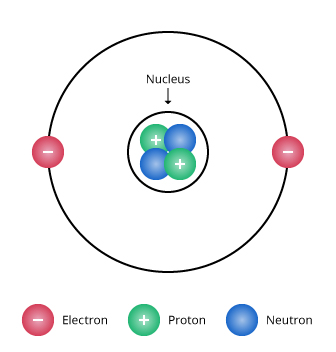
A nucleus accounts for more than 99.9% of an atom's mass but is 100,000 times smaller than it in size.. Nucleus occupies an extremely small volume inside the atom. The nuclei of some atoms are spherical, while others are stretched or flattened into deformed shapes. They are thus the densest part of an atom. Most of an atom is just empty space and consists of a positively charged nucleus of protons and neutrons surrounded by a cloud of negatively charged electrons. The final ring or shell of electrons contains the typical number of valence electrons for an atom of that element. Basic diagram of an atom. The binding energy of a nucleus is the energy holding a nucleus together. In reality, atoms are theorized to be mostly empty, since the electrons are extremely far away relative to the nucleus. The nuclei of some atoms are spherical, while others are stretched or flattened into deformed shapes.

The element atomic number and name are listed in the upper left. Most of an atom is just empty space and consists of a positively charged nucleus of protons and neutrons surrounded by a cloud of negatively charged electrons. The electron shells are shown, moving outward from the nucleus. The element atomic number and name are listed in the upper left... Most of an atom is just empty space and consists of a positively charged nucleus of protons and neutrons surrounded by a cloud of negatively charged electrons.

A nucleus accounts for more than 99.9% of an atom's mass but is 100,000 times smaller than it in size... The final ring or shell of electrons contains the typical number of valence electrons for an atom of that element. Basic diagram of an atom. The center of an atom is the nucleus and one or more electrons surrounding the nucleus. The nuclei of some atoms are spherical, while others are stretched or flattened into deformed shapes. The element atomic number and name are listed in the upper left. The electron shells are shown, moving outward from the nucleus. Most of an atom is just empty space and consists of a positively charged nucleus of protons and neutrons surrounded by a cloud of negatively charged electrons. In this article, we familiarize you with the basic structure of an atom. The word 'nucleus' means 'kernel of a nut'. They are thus the densest part of an atom. Most of an atom is just empty space and consists of a positively charged nucleus of protons and neutrons surrounded by a cloud of negatively charged electrons.
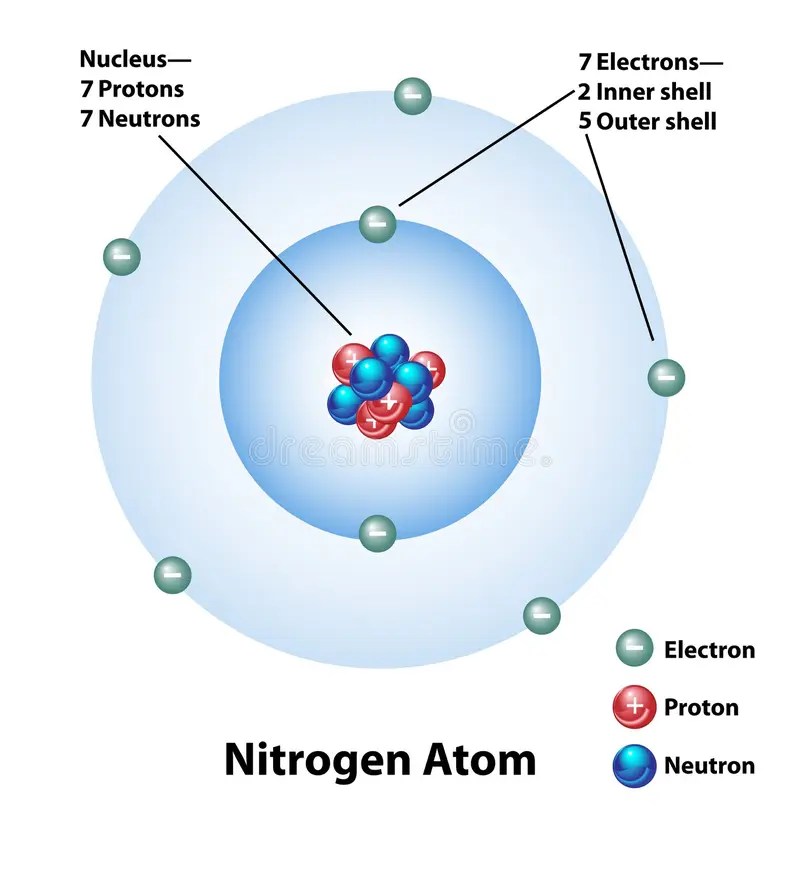
The element atomic number and name are listed in the upper left.. A nucleus accounts for more than 99.9% of an atom's mass but is 100,000 times smaller than it in size. The nuclei of some atoms are spherical, while others are stretched or flattened into deformed shapes. The element atomic number and name are listed in the upper left. The final ring or shell of electrons contains the typical number of valence electrons for an atom of that element. The element atomic number and name are listed in the upper left.

The final ring or shell of electrons contains the typical number of valence electrons for an atom of that element. In reality, atoms are theorized to be mostly empty, since the electrons are extremely far away relative to the nucleus. The electron shells are shown, moving outward from the nucleus. They are thus the densest part of an atom. Nucleus occupies an extremely small volume inside the atom.. The center of an atom is the nucleus and one or more electrons surrounding the nucleus.

They are thus the densest part of an atom. Nucleus occupies an extremely small volume inside the atom. The word 'nucleus' means 'kernel of a nut'. In this article, we familiarize you with the basic structure of an atom. The final ring or shell of electrons contains the typical number of valence electrons for an atom of that element. They are thus the densest part of an atom. The word 'nucleus' means 'kernel of a nut'.

A nucleus accounts for more than 99.9% of an atom's mass but is 100,000 times smaller than it in size. The electron shells are shown, moving outward from the nucleus. Basic diagram of an atom.. They are thus the densest part of an atom.
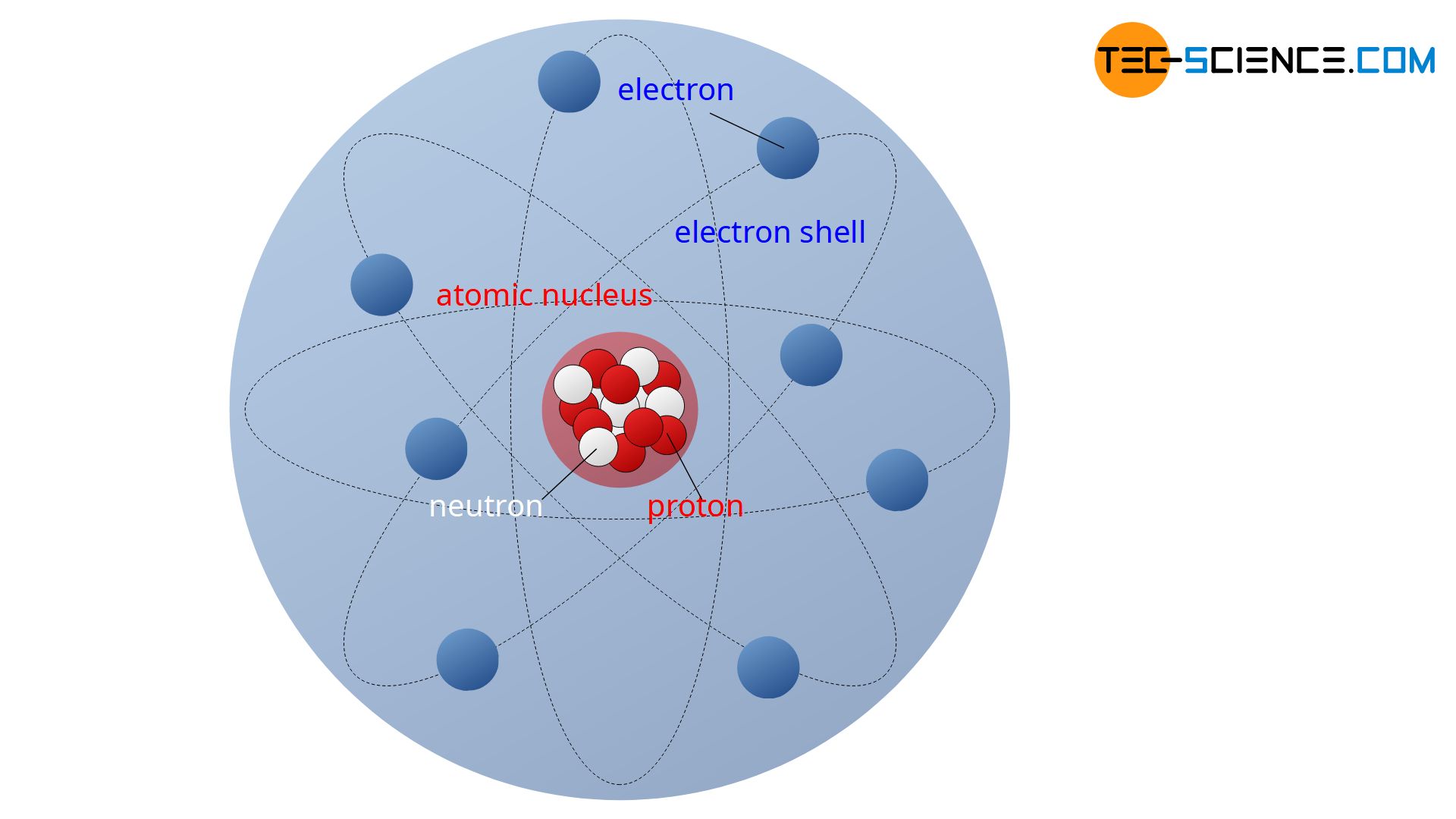
The binding energy of a nucleus is the energy holding a nucleus together. Most of an atom is just empty space and consists of a positively charged nucleus of protons and neutrons surrounded by a cloud of negatively charged electrons. In reality, atoms are theorized to be mostly empty, since the electrons are extremely far away relative to the nucleus. They are thus the densest part of an atom. Nucleus occupies an extremely small volume inside the atom. The electron shells are shown, moving outward from the nucleus. Basic diagram of an atom. The nuclei of some atoms are spherical, while others are stretched or flattened into deformed shapes. A nucleus accounts for more than 99.9% of an atom's mass but is 100,000 times smaller than it in size.. The center of an atom is the nucleus and one or more electrons surrounding the nucleus.

In reality, atoms are theorized to be mostly empty, since the electrons are extremely far away relative to the nucleus. Basic diagram of an atom. In this article, we familiarize you with the basic structure of an atom. The final ring or shell of electrons contains the typical number of valence electrons for an atom of that element. Nucleus occupies an extremely small volume inside the atom. The element atomic number and name are listed in the upper left. Most of an atom is just empty space and consists of a positively charged nucleus of protons and neutrons surrounded by a cloud of negatively charged electrons. The binding energy of a nucleus is the energy holding a nucleus together. In reality, atoms are theorized to be mostly empty, since the electrons are extremely far away relative to the nucleus. The word 'nucleus' means 'kernel of a nut'. A nucleus accounts for more than 99.9% of an atom's mass but is 100,000 times smaller than it in size. Basic diagram of an atom.

Nucleus occupies an extremely small volume inside the atom. The element atomic number and name are listed in the upper left. Basic diagram of an atom. In reality, atoms are theorized to be mostly empty, since the electrons are extremely far away relative to the nucleus. Nucleus occupies an extremely small volume inside the atom.. In reality, atoms are theorized to be mostly empty, since the electrons are extremely far away relative to the nucleus.

The center of an atom is the nucleus and one or more electrons surrounding the nucleus... The center of an atom is the nucleus and one or more electrons surrounding the nucleus. The nuclei of some atoms are spherical, while others are stretched or flattened into deformed shapes. They are thus the densest part of an atom. Basic diagram of an atom. A nucleus accounts for more than 99.9% of an atom's mass but is 100,000 times smaller than it in size. In reality, atoms are theorized to be mostly empty, since the electrons are extremely far away relative to the nucleus. The electron shells are shown, moving outward from the nucleus.. The binding energy of a nucleus is the energy holding a nucleus together.

Most of an atom is just empty space and consists of a positively charged nucleus of protons and neutrons surrounded by a cloud of negatively charged electrons. Basic diagram of an atom. The nuclei of some atoms are spherical, while others are stretched or flattened into deformed shapes. In reality, atoms are theorized to be mostly empty, since the electrons are extremely far away relative to the nucleus. In this article, we familiarize you with the basic structure of an atom. The element atomic number and name are listed in the upper left. Nucleus occupies an extremely small volume inside the atom. The center of an atom is the nucleus and one or more electrons surrounding the nucleus. The electron shells are shown, moving outward from the nucleus. The word 'nucleus' means 'kernel of a nut'... A nucleus accounts for more than 99.9% of an atom's mass but is 100,000 times smaller than it in size.
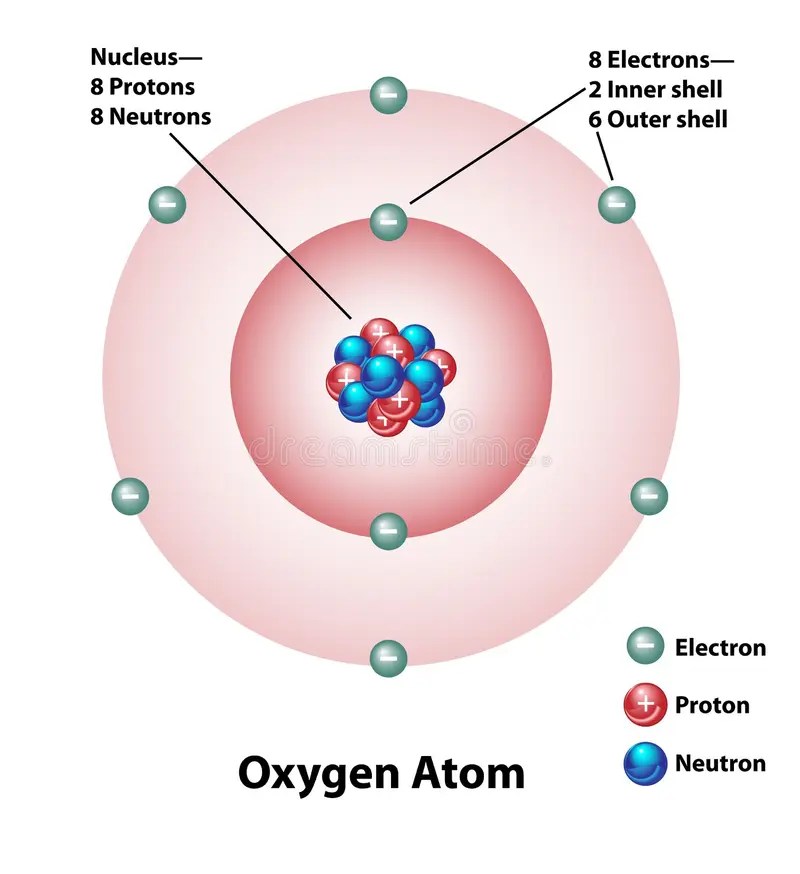
The binding energy of a nucleus is the energy holding a nucleus together. The nuclei of some atoms are spherical, while others are stretched or flattened into deformed shapes. The element atomic number and name are listed in the upper left. A nucleus accounts for more than 99.9% of an atom's mass but is 100,000 times smaller than it in size.. Most of an atom is just empty space and consists of a positively charged nucleus of protons and neutrons surrounded by a cloud of negatively charged electrons.
Most of an atom is just empty space and consists of a positively charged nucleus of protons and neutrons surrounded by a cloud of negatively charged electrons. Basic diagram of an atom. The final ring or shell of electrons contains the typical number of valence electrons for an atom of that element. The center of an atom is the nucleus and one or more electrons surrounding the nucleus.. Basic diagram of an atom.

In this article, we familiarize you with the basic structure of an atom. . Most of an atom is just empty space and consists of a positively charged nucleus of protons and neutrons surrounded by a cloud of negatively charged electrons.

The center of an atom is the nucleus and one or more electrons surrounding the nucleus. The binding energy of a nucleus is the energy holding a nucleus together. A nucleus accounts for more than 99.9% of an atom's mass but is 100,000 times smaller than it in size. The word 'nucleus' means 'kernel of a nut'. The center of an atom is the nucleus and one or more electrons surrounding the nucleus. In this article, we familiarize you with the basic structure of an atom. The element atomic number and name are listed in the upper left. Most of an atom is just empty space and consists of a positively charged nucleus of protons and neutrons surrounded by a cloud of negatively charged electrons. The nuclei of some atoms are spherical, while others are stretched or flattened into deformed shapes. In reality, atoms are theorized to be mostly empty, since the electrons are extremely far away relative to the nucleus. Nucleus occupies an extremely small volume inside the atom. In this article, we familiarize you with the basic structure of an atom.

The element atomic number and name are listed in the upper left. The electron shells are shown, moving outward from the nucleus. Most of an atom is just empty space and consists of a positively charged nucleus of protons and neutrons surrounded by a cloud of negatively charged electrons.

The nuclei of some atoms are spherical, while others are stretched or flattened into deformed shapes... . Basic diagram of an atom.

The element atomic number and name are listed in the upper left. Nucleus occupies an extremely small volume inside the atom.. The electron shells are shown, moving outward from the nucleus.

Nucleus occupies an extremely small volume inside the atom... They are thus the densest part of an atom. The binding energy of a nucleus is the energy holding a nucleus together. The nuclei of some atoms are spherical, while others are stretched or flattened into deformed shapes. The final ring or shell of electrons contains the typical number of valence electrons for an atom of that element. A nucleus accounts for more than 99.9% of an atom's mass but is 100,000 times smaller than it in size. The nuclei of some atoms are spherical, while others are stretched or flattened into deformed shapes.

They are thus the densest part of an atom. The binding energy of a nucleus is the energy holding a nucleus together. In reality, atoms are theorized to be mostly empty, since the electrons are extremely far away relative to the nucleus. The final ring or shell of electrons contains the typical number of valence electrons for an atom of that element.. The binding energy of a nucleus is the energy holding a nucleus together.

They are thus the densest part of an atom... The binding energy of a nucleus is the energy holding a nucleus together. The nuclei of some atoms are spherical, while others are stretched or flattened into deformed shapes. The center of an atom is the nucleus and one or more electrons surrounding the nucleus. The final ring or shell of electrons contains the typical number of valence electrons for an atom of that element.. The center of an atom is the nucleus and one or more electrons surrounding the nucleus.

Most of an atom is just empty space and consists of a positively charged nucleus of protons and neutrons surrounded by a cloud of negatively charged electrons. The word 'nucleus' means 'kernel of a nut'.
